Masjid-e-
Anowaruddin
A place of prayer, fellowship and service at the heart of the Estate’s history.
From a family residence to a lasting institution.
Ullubari Ghor Masjid
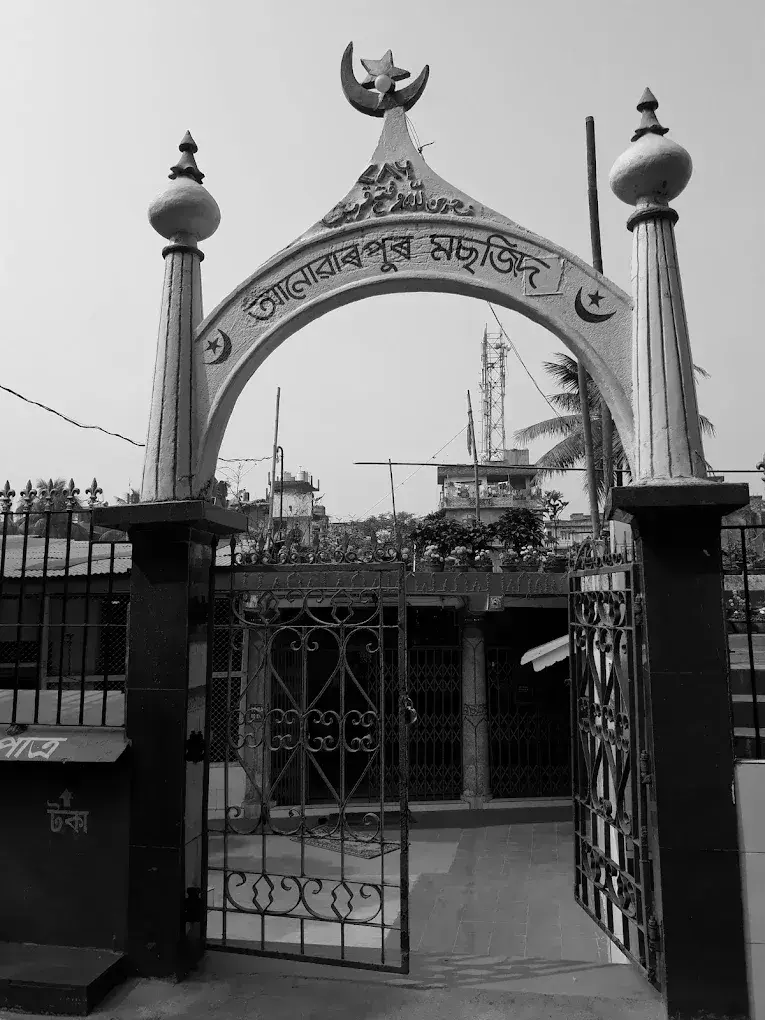
Around 1937, Moulvi Syed Anowaruddin established a mosque as an extension of his residence. It came to be known as Ullubari Ghor Masjid.
As the number of visitors and worshippers grew, he recognised the need for a permanent institution that would serve the community beyond his lifetime. He dedicated the property as Wakf for religious and charitable purposes.
The Wakf initially comprised the mosque and his residence, covering approximately two bighas of land. It was registered with the Assam Board of Wakfs under Registration No. 17/1959.
Moulvi Syed Anowaruddin continued to serve the mosque as its Imam until his passing in 1965. The Estate’s successive Mutawallis have carried forward its religious and charitable objectives.
Preservation & renewal
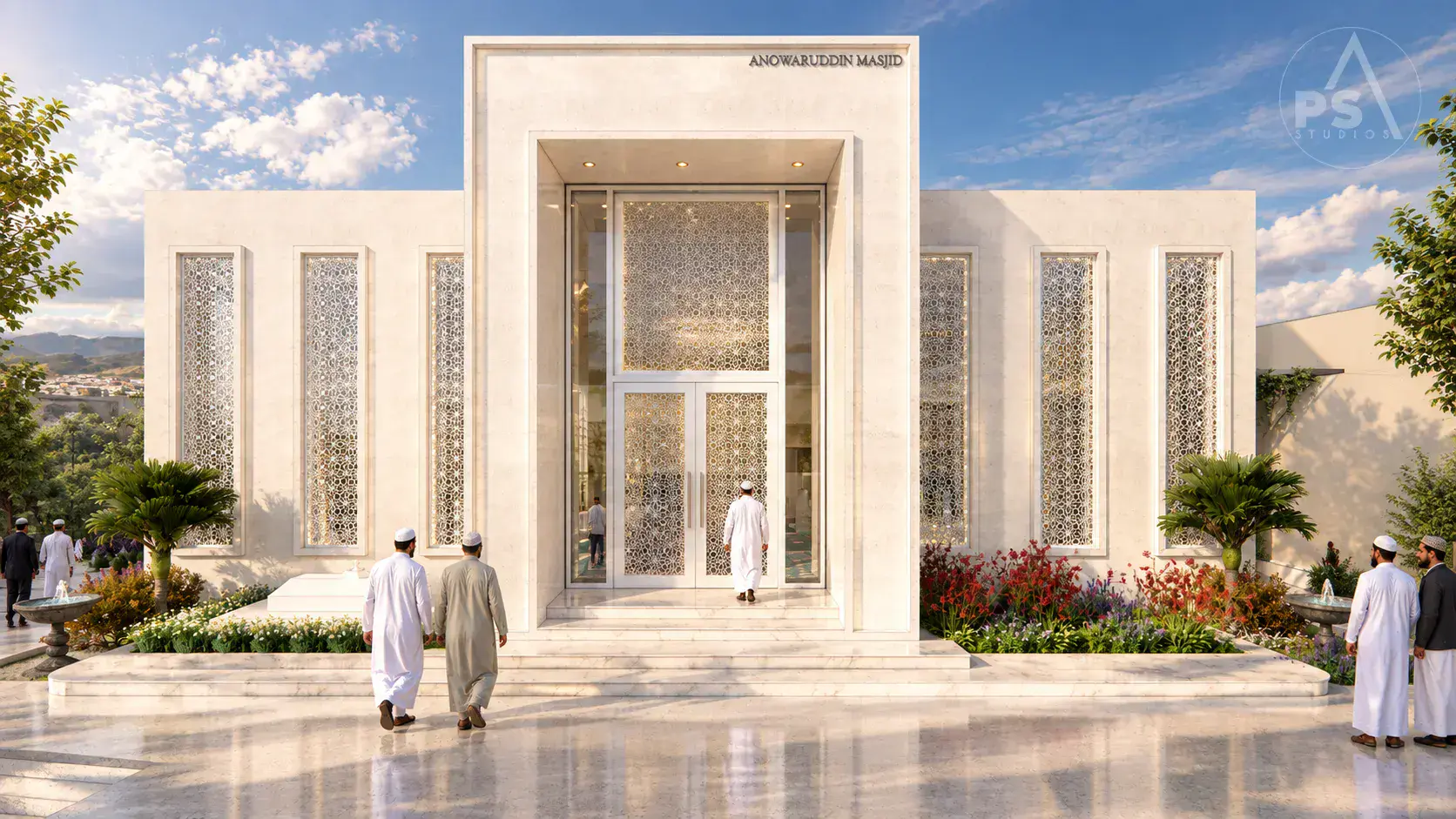
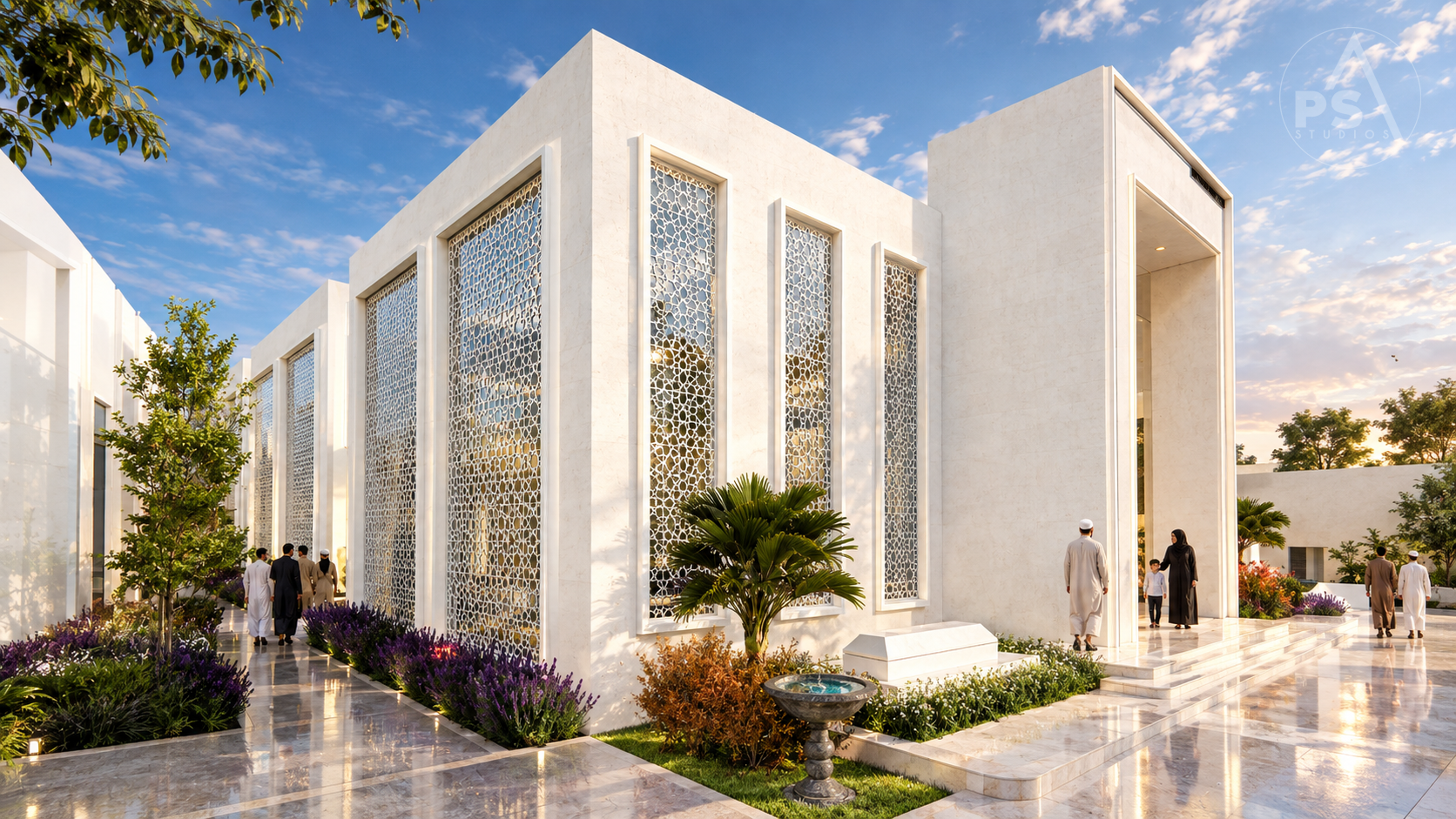
Under the stewardship of Mohammed Naif Ali, major renovation and improvement works have been undertaken in the Masjid and other Wakf properties.
The mosque is private and does not accept donations for its maintenance or activities. The Estate’s welfare initiatives support those in need.
Coming together in Ramadan.
During the holy month of Ramadan, the Anowaruddin Wakf Estate organises a community Iftar at the Masjid, serving approximately 1,000 people. Iftar brings people from the community together at the time of breaking their fast, creating a sense of togetherness, fellowship, and shared faith. It is a simple but meaningful tradition that reflects the spirit of Ramadan.
Explore events & programmesBefore restoration
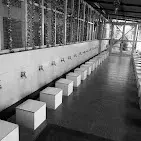
Actual photographs of Masjid-e-Anowaruddin before restoration.